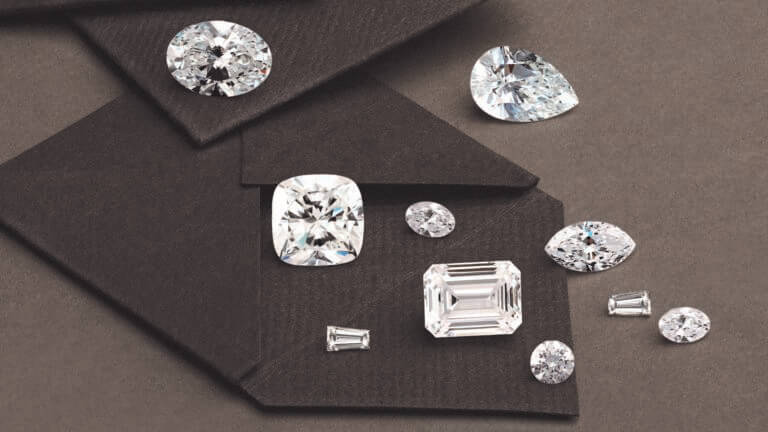

Diamonds made in labs now spark plenty of chatter among jewelry lovers. With folks searching for options kinder to the planet, easier on budgets, and just like mined ones, curiosity spreads fast. A frequent thought popping up: how does synthetic diamond price stack against natural? Particularly when weighing cost, sparkle, and staying power. Here, clarity comes through plain talk – no jargon, no noise – just clear points about what these man-made gems truly offer. Deciding if they fit your life becomes simpler once facts replace confusion. Surprises hide not in hype but in honest details laid bare. Understanding begins where assumptions end.
Table of Contents
Lab Created Diamonds Explained?
Starting with precio diamante sintético vs natural, lab diamonds form inside machines rather than deep underground. These stones match natural ones in every measurable way – same sparkle, weight, hardness. Their core is just carbon atoms locked into a repeating pattern. Not pulled from rock but built under steady conditions. Identical down to the atomic level.
Deep below Earth’s surface, natural diamonds take shape across unimaginable spans of time. In contrast, labs craft diamond-like stones fast – just weeks instead of eons – through human-made methods.
One way involves careful planting outdoors. Another relies on controlled indoor setups instead
- Deep underground, heat plus pressure shape real diamonds over time. HPHT copies that intense environment above ground.
- A thin diamond forms when carbon-heavy gas slowly settles into place. Layer after layer appears through chemical vapor activity. Gases feed the growth without melting anything first.
These methods mean lab diamonds count as real, unlike fake ones such as cubic zirconia or moissanite.
Lab Created Diamonds How They Are Made
Out of thin air almost, real diamond forms when scientists tweak atoms just right. Machines hum along, stacking carbon piece by quiet piece under fierce pressure. What emerges isn’t mined, yet sparkles all the same. Precision guides every stage, turning idea into solid crystal. Science here wears no robes – just wires, heat, and time.
A small diamond seed goes into a sealed space first. After that, carbon shows up under intense pressure or heat, based on how it’s done. Bit by bit, those pieces link together until a full crystal takes shape.
Once grown, the stone gets shaped by hand, much like those pulled from the earth. With careful precision, artisans refine its form so light dances through clearly, brightly, vividly.
Few can tell them apart without tools, so experts still rely on machines to spot the difference between lab-grown and mined stones.
Precio Diamante Sintético Vs Natural
Most people checking out lab versus mined diamonds tend to focus on cost first. These days, when someone types synthetic diamond price vs natural, they quickly see the difference – lab grown stones typically come in far cheaper than their earth-mined counterparts, even if both look nearly identical in cut and clarity.
Most of the time, lab diamonds sell for 30% to 70% below mined ones. That gap comes not from worse quality, yet how they reach market. Pulling natural stones from earth involves digging, moving them far, and lots of workers – each step adds expense. Meanwhile, labs grow diamonds under strict conditions, cutting out much of the travel and effort.
Because of this, shoppers might get a bigger stone or better clarity without raising their spending limit.
Oddly enough, despite looking the same and sharing the same makeup, their worth when resold isn’t always equal. Because people see them as rare and have strong feelings about tradition, natural stones tend to keep more value over time. Still, a growing number of buyers now care less about selling later, focusing instead on how it looks and whether it was sourced responsibly.
Now more people choose lab diamonds, hinting at new priorities. Worth means less about scarcity, instead it ties to eco-friendliness, ease of reach. Choices change when beliefs do.
Lab Created Diamonds Offer Ethical Environmental And Cost Advantages
Lab created diamonds offer several advantages that appeal to modern buyers:
1. Ethical sourcing
Since they’re made in labs, these stones sidestep the damage and moral issues tied to digging up natural diamonds.
2. Lower environmental impact
Out in the open, digging for gems tears up landscapes, uses vast spaces, also guzzles power. Meanwhile, those made in labs tend to leave less mark on nature.
3. Better value for money
Earlier, we touched on how synthetic diamond pricing stacks up against natural – lab grown options cost noticeably less. This gap lets shoppers stretch their dollar further without sacrificing carat or clarity.
4. Identical appearance
A person might look closely, yet still see no change between lab-grown and mined stones. Each one shines just as bright, holds up just as well, reflects light in identical ways.
Lab Diamonds Are Real Diamonds?
Fine crystals made in labs? Those count as true diamonds. Not fakes, not copies – grown by science instead of dug from rock.
Same stuff shows up in both
- Hardness (10 on the Mohs scale)
- Chemical composition (pure carbon)
- Optical properties (brilliance and fire)
Not just one but several pro labs – GIA, say, or IGI – grade lab-made stones by identical rules applied to earth-mined gems.
What sets them apart is where they come from, never how they’re built.
Choosing a lab diamond
If you are considering buying a lab created diamond, here are a few important tips:
Focus on the 4Cs
Just like natural diamonds, lab diamonds are evaluated based on:
- Cut
- Color
- Clarity
- Carat weight
A diamond’s sparkle turns on its cut more than anything else. What makes it shine so bright comes down to this detail alone.
Check certification
A smart move? Choosing stones checked by trusted labs. That way, the details about quality actually match what you see.
Compare prices carefully
Prices shift even among lab diamonds. When choices stack up, the gap between synthetic diamond cost and natural becomes clear – suddenly spotting value gets easier.
Think about long-term value
Should resale be a priority, natural stones might edge ahead. Yet when it comes to larger carats, visual appeal, or cost efficiency, lab-grown options tend to deliver more consistent results.
Lab Diamonds Gain Popularity
These days, shoppers think differently. Awareness around eco-friendly choices keeps growing – ethics matter more now. Meanwhile, science moved forward so far that fake gems look exactly like real ones. A lot changed without anyone really noticing.
Lab grown diamonds are now common in engagement rings plus high-end jewelry because of this mix. A quiet shift, yet clear in today’s market.
It’s clear younger shoppers value how open and low-cost these options are.
Final Thoughts
Not many see it coming – these stones grow in labs, yet shine just like earth-mined ones. Their sparkle? Identical. Toughness? The same story. Yet wallets feel far less pressure buying them. Price talks loud when comparing synthetic versus natural diamond costs. What stands out isn’t flashiness – it’s how much value fits into one clear gem.
What really matters comes down to what you care about most. When unique finds and future pricing weigh heavily, mined stones could hold stronger pull. Yet should fairness, planet-friendly practices, and stretching each dollar guide your path, then lab grown versions stand out clearly. A closer look might just shift where you place your trust.
One day soon, these stones might shift what we see as precious. With every new breakthrough, ideas around elegance could quietly transform. Beauty may take a different shape because of it. Years down the line, opinions on worth might stem from circuits instead of mines.