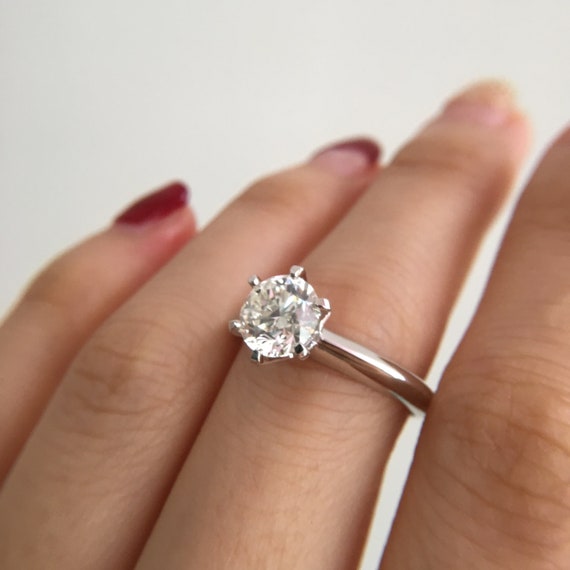

A diamond can look impressive in a jewellery showroom but feel completely different once it is set into a ring and worn every day. Its proportions, setting height, metal colour and interaction with light all influence the finished piece.
This is particularly relevant to lab grown diamond engagement ring, where buyers may have greater flexibility to explore larger stones or different designs within their intended budget.
For someone shopping in Hong Kong, the real challenge is deciding which details deserve attention before committing to a ring. Understanding a few practical differences can prevent expensive design compromises and help create something suited to the person wearing it.
Table of Contents
What Makes Laboratory-Grown Diamonds Different?
Laboratory-grown diamonds have essentially the same chemical composition, crystal structure and optical properties as natural diamonds. The distinction lies in how they form.
Natural diamonds develop underground through geological processes. Laboratory-created diamonds are produced using specialised techniques, primarily High Pressure High Temperature (HPHT) or Chemical Vapour Deposition (CVD).
They should not be confused with cubic zirconia or moissanite, which are different materials.
Lab-created diamonds are often priced below comparable natural diamonds, although prices vary according to size, grading, supplier and design. This difference can give buyers additional room to consider their preferred setting, diamond proportions or precious metal.
However, a larger diamond is not automatically a better purchase. Poor proportions or an unsuitable setting can affect the ring’s appearance and practicality.
Diamond Appearance Depends on More Than Carat Weight
Carat measures weight rather than visible dimensions. Two diamonds weighing exactly one carat can appear different in size because of their shape, proportions and cutting.
This distinction matters when comparing diamonds through photographs or online listings.
Why Cut Deserves Close Attention
A diamond’s cut influences how effectively it reflects and returns light. A well-proportioned round brilliant diamond can display attractive brightness, fire and sparkle.
For round diamonds, examining cut grades and proportion information is useful. Fancy shapes, including ovals, pears and emerald cuts, require closer visual assessment because their appearance cannot always be judged through a single grade.
An oval diamond, for example, may display a dark bow-tie pattern across its centre. Some contrast is normal, but an overly prominent dark area may distract from its appearance.
Requesting clear videos under different lighting conditions can reveal details that studio photographs overlook.
Colour and Clarity: Finding a Sensible Balance
Colourless diamonds receive grades from D to F under traditional diamond colour grading systems, while G to J diamonds fall into the near-colourless category.
The visible difference between neighbouring grades may be subtle, especially once a diamond is mounted.
Clarity also deserves a practical approach. A VS-grade diamond without inclusions visible to the unaided eye may be preferable to paying extra for a higher clarity grade that offers little noticeable difference.
Emerald cuts deserve particular care because their broad, open facets can make certain inclusions easier to see than in brilliant-cut shapes.
Match the Ring Setting to Everyday Habits
An engagement ring’s setting lab grown diamonds how the diamond is presented, protected and maintained.
Someone who frequently works with their hands may have different requirements from a wearer who prefers a delicate, decorative design.
Consider these common setting options:
-
Solitaire: Keeps attention on the centre diamond and generally offers a straightforward design, although maintenance depends on the prong construction.
-
Bezel: Surrounds the diamond’s edge with metal, providing additional protection against knocks while creating a clean appearance.
-
Halo: Places smaller diamonds around the centre stone, increasing the visual spread but introducing additional settings that may require inspection.
-
Pavé: Adds diamonds along the band for extra sparkle, although delicate pavé work can require greater care during resizing and maintenance.
The height of the centre setting is particularly easy to overlook.
A high-set diamond may catch on clothing or gloves, while a lower-profile ring can feel more comfortable during routine activities. The correct choice depends on the diamond’s dimensions and the supporting structure.
Consider the Wedding Band Before Finalising the Design
Many buyers select an engagement ring without considering how it will sit beside a future wedding band.
This can create an unexpected problem when a straight band cannot fit neatly against the engagement ring because of the centre setting.
A curved or contoured wedding band may resolve the issue, but it changes the overall appearance.
Hidden halos, basket settings and prominent prongs can also affect how closely two rings sit together.
For buyers considering a customised lab grown diamond engagement ring, comparing the engagement setting with potential wedding-band designs before ordering can help avoid unnecessary alterations later.
This is especially useful when the wearer wants both rings to sit flush rather than leaving a visible gap.
Why Independent Diamond Documentation Matters
An independent diamond grading report helps buyers understand what they are purchasing.
Reports from organisations such as the International Gemological Institute (IGI) can identify laboratory-grown origin and document characteristics including carat weight, colour, clarity and cut information where applicable.
Grading terminology is not identical across laboratories. Since October 2025, GIA has used Premium and Standard quality descriptions for eligible colourless to near-colourless laboratory-grown diamonds under its revised assessment service.
Buyers should therefore check the issuing laboratory and report type rather than assuming every document follows the same grading format.
Before purchasing, request the report number and verify it through the laboratory’s official website. Compare the diamond’s measurements and identification details with the seller’s description.
A grading report also differs from an insurance valuation. It documents gemological characteristics rather than establishing a guaranteed resale price.
Ordering an Engagement Ring in Hong Kong
Online purchasing and custom jewellery consultations can simplify the search, but several practical details still deserve confirmation.
Ring sizing should be measured carefully, particularly when the intended design has a wide band or stones extending around the shank. These features may affect comfort and future resizing options.
For orders involving custom settings or imported diamonds, buyers should confirm production times, delivery arrangements and any applicable charges before payment.
It is also sensible to clarify whether resizing, prong inspections and repairs are available locally.
Ask the jeweller to confirm the finished ring’s metal specifications, diamond documentation, return conditions and warranty coverage in writing.
Platinum and gold settings also differ in weight, appearance and maintenance requirements. White gold may need periodic rhodium replating to maintain its bright white finish, while platinum develops surface wear differently over time.
A carefully selected diamond deserves a setting that remains comfortable, secure and visually pleasing long after the proposal. Checking these practical details before placing an order can make the finished ring easier to wear and maintain for years.