
Table of Contents
Things to know before selling gold
Still prized today, gold keeps its worth across years while moving Perth Pawn shop. If dusty jewelry, cracked trinkets, outdated coins, or handed-down heirlooms sit unused, learning how sales work brings clearer choices instead of regrets. Some trade these bits simply because daily life left them behind. Others unlock cash trapped inside objects gathering dust at home or bank boxes. Regardless of why, seeing how pricing works makes stepping into selling feel steadier.
Gold Value How It Is Set
Pricing for gold shifts depending on more than just heaviness. Not everything comes down to grams alone. Because alongside weight, how clean the metal is matters greatly. These days, most pieces carry stamps showing quality level. You might see 6 parts gold, nearly half alloy – called 9K. Or higher blends like 14 out of 24 pure, known as 14K. Even richer mixes appear too: 75 percent real gold marked 18K. Then there’s full strength – one hundred percent fine gold stamped 24K. Pureness up? That usually points to more gold inside. Most folks checking things out will look at:
- Total weight of the item
- Gold purity level
- Current market price of gold
- Condition when relevant
- Potential collectible or resale value
A broken 18K bracelet can be worth quite a bit – its gold doesn’t lose value just because it won’t go around a wrist anymore.
Why Preparation Matters
Start by looking into what you own before seeing a buyer. Knowing more helps make sense of what someone offers. Look closely at jewelry for marks showing purity, setting real gold apart from fake pieces. Put genuine gold aside from fashion accessories. Have any paperwork ready – like proof of purchase or boxes it came in. These might not raise worth directly but support your answers when asked. Most times, a gentle wipe down works fine. Heavy scrubbing or fixes tend to be skipped since they rarely boost the price.
Knowing How Selling Differs From Pawning
Picking up cash doesn’t always mean letting go of your stuff forever. These deals work in opposite ways, even if they look similar at first glance. Handing over a thing for money means it now belongs to someone else. Money changes hands, then that’s it – no going back. Ownership shifts the moment the deal closes. Pawned goods act as collateral when borrowing money. Should repayment happen on time, including charges, the object comes back to you. What works best ties directly to your circumstances. Sentimentally attached and hoping for reunion down the line? Pawning could fit. No emotional tie, no future plan – selling might clear space faster.
Questions to Consider Before Saying Yes to a Job Offer
Start by knowing every part of the deal. It helps when numbers make sense, because clarity builds trust. Picture this – you see each step that shaped the price. Think about which details moved the number up or down. Questions like these often reveal more than expected
- Gold testing happened how?
- Was the purity level found clear enough?
- How heavy did the scale show?
- Does the deal reflect what things cost right now?
- Fees – do they exist here?
Most times, when answers seem clear, it means the steps were simple.
How Gold Testing Works
Buyers usually check quality using trusted ways. For some items, that means machines scan them, acids touch them, or experts apply special tests. These steps show real gold levels instead of just trusting marks or how things look. Both sides gain safety when facts replace guesses. Older pieces might carry surprises – what they seem isn’t always what lies beneath.
Things people often take to gold buyers
Most people selling things think just new gold buyers. Yet actual interest shows up across many types of pieces. Take vintage brooches, for instance – they catch attention regularly
- Rings
- Necklaces
- Bracelets
- Earrings
- Gold coins
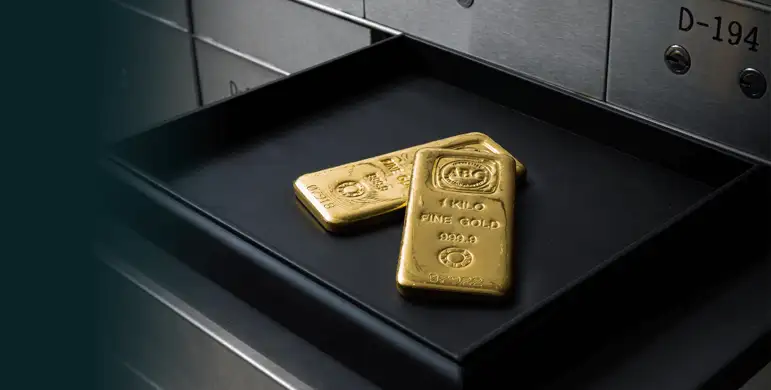
- Gold bars
- Broken jewellery
- Vintage pieces
A lone earring might still carry worth. Broken chains can have value too. Sometimes just a little metal makes it matter.
Market Timing and What People Expect
Gold prices shift all the time. Because economies worldwide move, so does value – affected by how much is available, who wants it, and what buyers do. Hitting the exact best moment rarely works out. When money matters today, a fair deal right now beats guessing what might happen later. Personal reasons often matter more than small swings in price. Waiting too long could mean missing something solid.
How to Pick a Trustworthy Buyer
One thing you might notice – every deal works differently. Slowing down to check who you’re working with tends to help things go smoother. Some companies lay out each step plainly, replying calmly when asked something twice. That kind of openness usually means they know what they’re doing. Watch how they act when things get detailed
- Clear valuation methods
- Professional communication
- Transparent identification requirements
- Straightforward payment process
- Openness to clarify what’s on offer
Most of the time, someone trustworthy will keep you in the loop instead of pushing ahead.
Documents You Might Need
Getting through most purchases means showing some form of ID. Depending on where you are, rules change – yet sellers often ask for official photo identification before closing the deal. Keeping your documents close speeds things up instead of waiting around. When paperwork like warranties or authenticity slips comes with the item, having them handy helps just the same.
Best Outcome Achieved
Most people feel more secure when they know the details. If you grasp things like weight, how pure something is, plus current prices, it becomes easier to judge any offer that comes your way. Spend moments checking facts, raising doubts, getting clarity on every part of the deal. Confidence matters – when numbers make sense, so does the outcome. Those who buy gold regularly tend to prefer working with someone who knows their way around the basics – it just makes everything move smoother.
Frequently Asked Questions
Can broken gold jewellery still be sold?
True. Worth usually ties to how much gold something contains, not how it looks. Even damaged pieces can carry high value.
Do gold buyers purchase single items?
True. A big set isn’t required. Lots of customers look at single items – then decide to buy them on their own.
What’s the typical timeline for completing a sale?
Same-day assessment and payment often happen, though it hinges on the item plus how much checking is needed.