
Table of Contents
What Are Lab Grown Diamonds
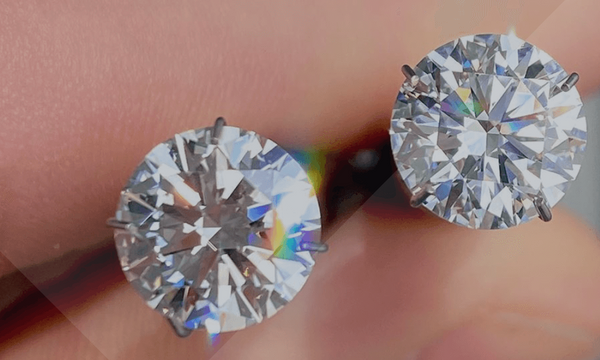
Lab grown diamonds are real diamonds created in a laboratory instead of deep in the earth. They share the same chemical and physical properties as natural diamonds. This means they are just as hard, durable, and brilliant.
Creating them involves two main methods. One is High Pressure High Temperature, which replicates conditions in the earth. The other is Chemical Vapor Deposition, which grows diamonds layer by layer in a controlled environment. Both produce diamonds with the same sparkle and clarity you expect from mined stones.
Why Choose Lab Grown Diamonds
You might consider lab grown diamonds for several reasons.
- Cost efficiency: They usually cost less than mined diamonds of the same size and quality.
- Ethical sourcing: No mining means no environmental damage or concerns over labor practices.
- Quality control: Labs can produce stones with fewer inclusions and predictable color.
For example, a one-carat lab grown diamond can cost several hundred dollars less than its mined counterpart. You get the same visual impact without the extra expense.
Understanding the Value
Lab grown diamonds have value based on the same four Cs as mined diamonds: carat, cut, clarity, and color. Understanding these will help you make informed choices.
- Carat: The weight of the diamond. Lab grown diamonds are available in many sizes, from small accent stones to large solitaire options.
- Cut: The way a diamond is shaped affects its sparkle. Precision cuts bring out brilliance even in smaller stones.
- Clarity: Fewer internal flaws mean better light performance. Labs often produce cleaner diamonds.
- Color: Lab grown diamonds can be near-colorless, making them visually appealing without premium pricing.
Practical Tips for Buying
When selecting a lab grown diamond, consider these steps:
Compare certifications. Look for GIA or IGI reports to confirm authenticity.
Inspect the stone in person if possible. Check for sparkle, fire, and overall appearance.
Decide on a setting that complements the diamond. Metal choice like platinum can enhance durability.
A practical example is choosing a solitaire ring for daily wear. A high-quality lab grown diamond set in platinum provides strength and elegance for long-term use.
Lab Grown Diamonds and Sustainability
Lab grown diamonds have a smaller environmental footprint than mined diamonds. They avoid land disruption, heavy machinery, and water pollution associated with mining.
Choosing lab grown also supports ethical practices. You can be confident your purchase is free from conflict or exploitative labor. Over time, more consumers are considering these factors when making jewelry choices.
Maintenance and Longevity
Caring for lab grown diamonds is similar to caring for natural ones.
- Clean regularly with mild soap and a soft brush to maintain sparkle.
- Store separately to avoid scratching other jewelry.
- Inspect prongs and settings periodically to prevent loss.
These steps help your diamond retain brilliance and ensure it lasts decades. A well-maintained lab grown diamond can become a family heirloom.
Cost Comparison
Lab grown diamonds typically cost 20-40 percent less than mined diamonds of the same specifications. For example, a 1-carat H-color, VS1-clarity diamond can cost $4,500 mined and $3,000 lab grown.
This difference allows buyers to invest in larger stones, higher quality cuts, or premium settings like platinum rings without exceeding budget.
Trends and Popular Uses
Lab grown diamonds are increasingly used in engagement rings, earrings, and pendants. Many designers now prefer them for the consistent quality and ethical sourcing.
A simple example is a platinum solitaire ring with a lab grown diamond. It combines strength, elegance, and responsible sourcing in one piece.
FAQ
Are lab grown diamonds real diamonds
Yes. They have the same chemical, physical, and optical properties as mined diamonds.
Do lab grown diamonds last as long as mined diamonds
Yes. They are just as hard and durable and can be worn daily without damage.
Are lab grown diamonds more ethical than mined diamonds
Yes. They avoid the environmental and labor issues associated with traditional mining.